GPCRs: high-value targets in drug discovery
GPCRs are the largest family of membrane proteins and key regulators of human physiology, making them major drug discovery targets. With ~800 GPCRs in the genome and hundreds already linked to approved or pipeline drugs, they remain central to therapeutic development. Advances in HTS, structural biology, and computational design are accelerating the creation of selective GPCR modulators. Despite challenges in receptor dynamics and selectivity, GPCRs continue to offer significant opportunities for innovative, targeted therapies.
Introduction
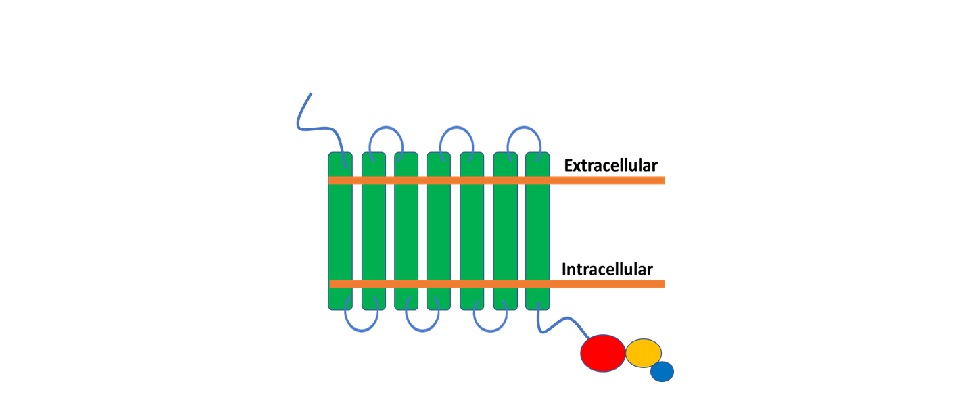
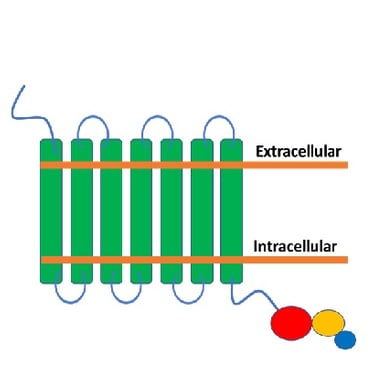
G-Protein Coupled Receptors (GPCRs) represent the largest class of membrane proteins, characterized by seven transmembrane α-helices and domains that extend both inside and outside the cell. This unique structural arrangement enables GPCRs to receive external signals and translate them into precise cellular responses. GPCRs are involved in every aspect of human physiology demonstrating their therapeutic potential. Modulators of GPCRs have been developed as drug molecules for a wide range of therapeutic indications, including obesity, type-2 diabetes, cardiovascular diseases, Alzheimer’s disease, cancer, anti-psychotic therapies, inflammatory diseases, and migraine.
Why GPCRs Are Attractive Drug Targets
Accessible Location: Positioned on the cell surface, making them readily accessible to drug molecules.
Versatile Modulation: Can be modulated by a wide variety of chemical structures.
Signaling Diversity: Involved in diverse signaling networks regulating numerous physiological processes.
GPCRs in Human Genome and Drug Development
There are approximately 800 GPCRs in the human genome.
Around 300 are promising targets for drug development.
Currently, 516 approved drugs target 121 GPCRs.
An additional 337 drugs are under development targeting 133 GPCRs.
Advances in Drug Discovery Targeting GPCRs
High-Throughput Screening (HTS): Enabled by stable cell assays with improved signal detection.
Structural breakthroughs using X-ray crystallography, Cryo-EM, and NMR have refined structure-based drug design (SBDD).
Advanced computational tools to design potent and selective GPCR modulators (agonists/antagonists)
Allosteric modulators, binding distinct from orthosteric sites, offer enhanced selectivity but face challenges due to limited structural information.
Drug Types:
71% of drugs in development are small molecules.
Increasing development of peptide-, protein-, and antibody-based drugs.
Drug Repurposing:
Of 337 drugs in clinical trials, 165 are approved for specific indications and are being tested for other indications
Cannabidiol is being tested for 29 indications, highlighting cost-effective strategies.
Challenges and Opportunities
Challenges include receptor dynamics, selectivity, and stringent safety regulations.
Despite these hurdles, GPCRs hold immense clinical potential, driving ongoing innovative research worldwide.
Conclusion
GPCRs’ unique structural and signaling features, coupled with their crucial physiological roles, make them central to modern drug discovery efforts. Their continued exploration promises development of novel, targeted therapeutics.

Expert drug discovery and consulting services for biotech firms and Institutes
© 2025. All rights reserved.
Contact Us Tel: +91 98456 80674 Email: contact@bioprompt.in
Consulting Services
Training programs and workshop in Drug Discovery
Targets for Drug Discovery
Facilitation of Preclinical Studies
Location NB-3/44, Vijaya Enclave Bilekahalli, Bangalore - 560076 Karnataka, INDIA
All images are designed by freepik